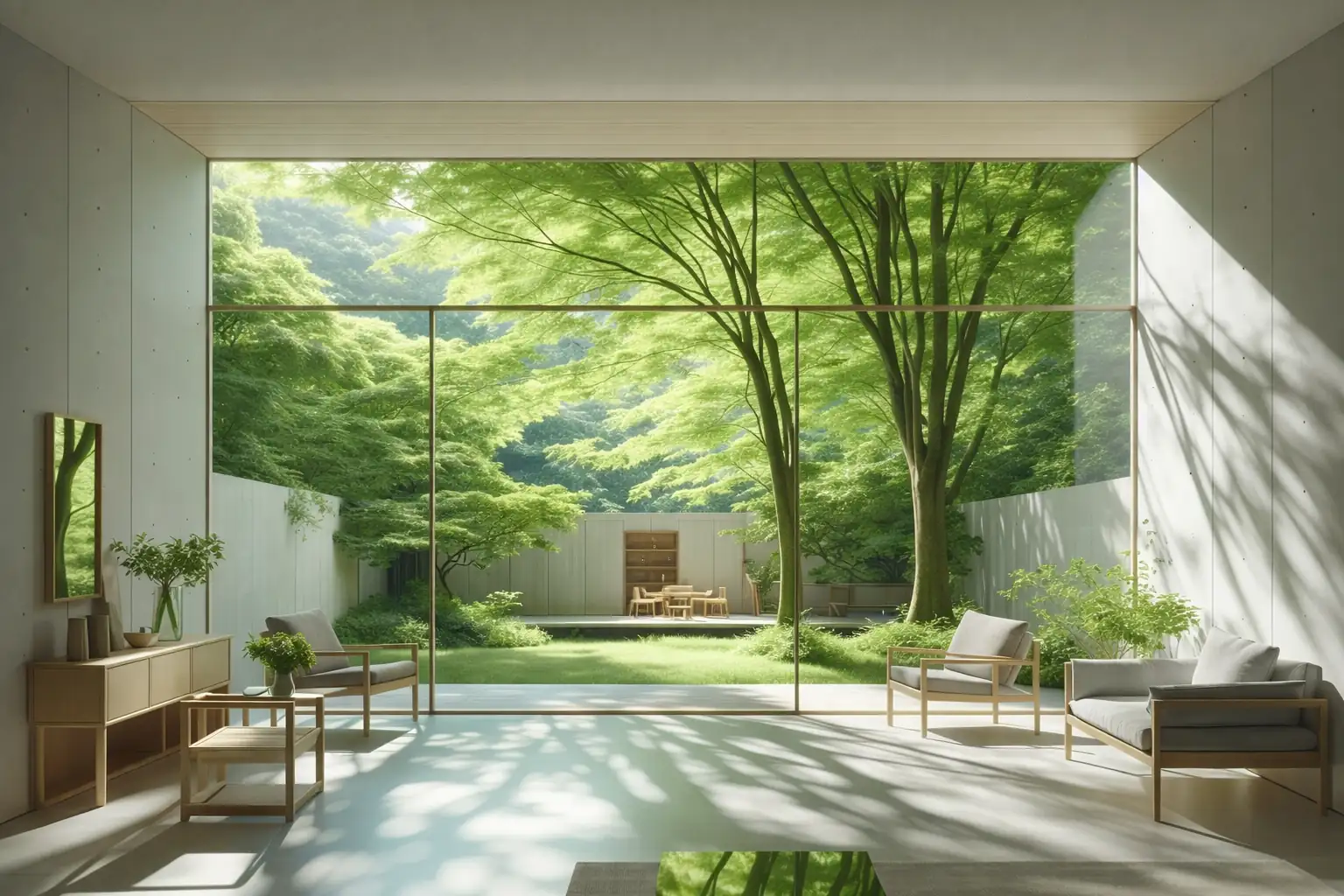
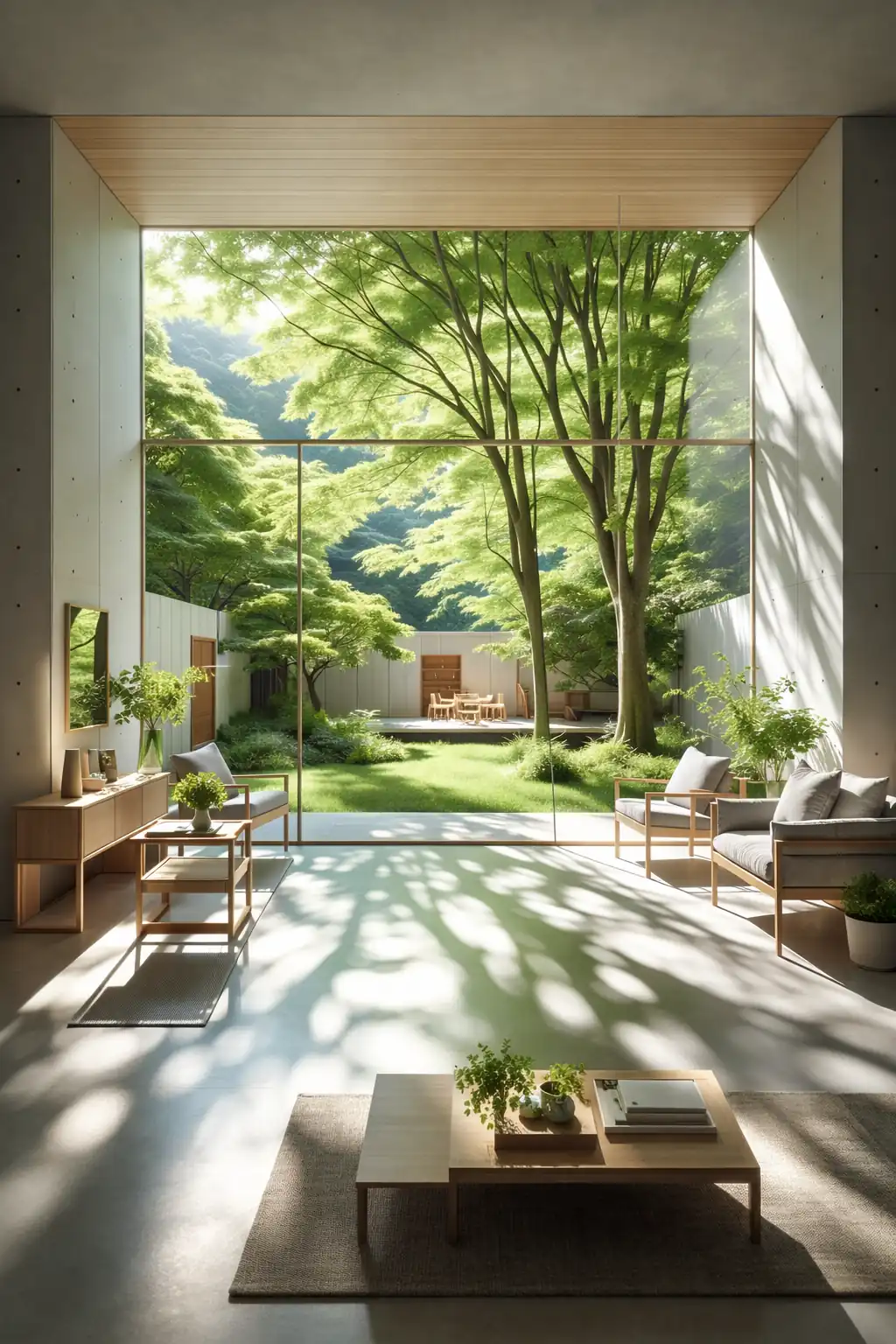



Minimalism has long been associated with simplicity, but also with spaces that can feel stark. In Indian homes, where daily cooking fills the air with aromas, family members move constantly between rooms, and storage needs quietly multiply over time, the idea of a ‘bare’ home can feel unrealistic. For many, this disconnect creates hesitation around the idea of minimalist interior design in India.
The reality? Minimalist interior design in India can be warm, welcoming, and highly functional when informed by thoughtful material choices and details that suit Indian homes.
Let’s explore how Indian minimal homes can feel cosy rather than empty.
Minimalist interior design in India isn’t about living with nothing. It’s about living with what matters. It’s curating your space so every item serves a purpose.
Indian minimal homes emphasise open space, clean lines, limited décor, functional furniture, and natural materials.
But when minimalism ignores Indian living patterns or climate, spaces can feel sterile. The key lies in balancing aesthetics with warmth through materials and textures that work in Indian conditions.
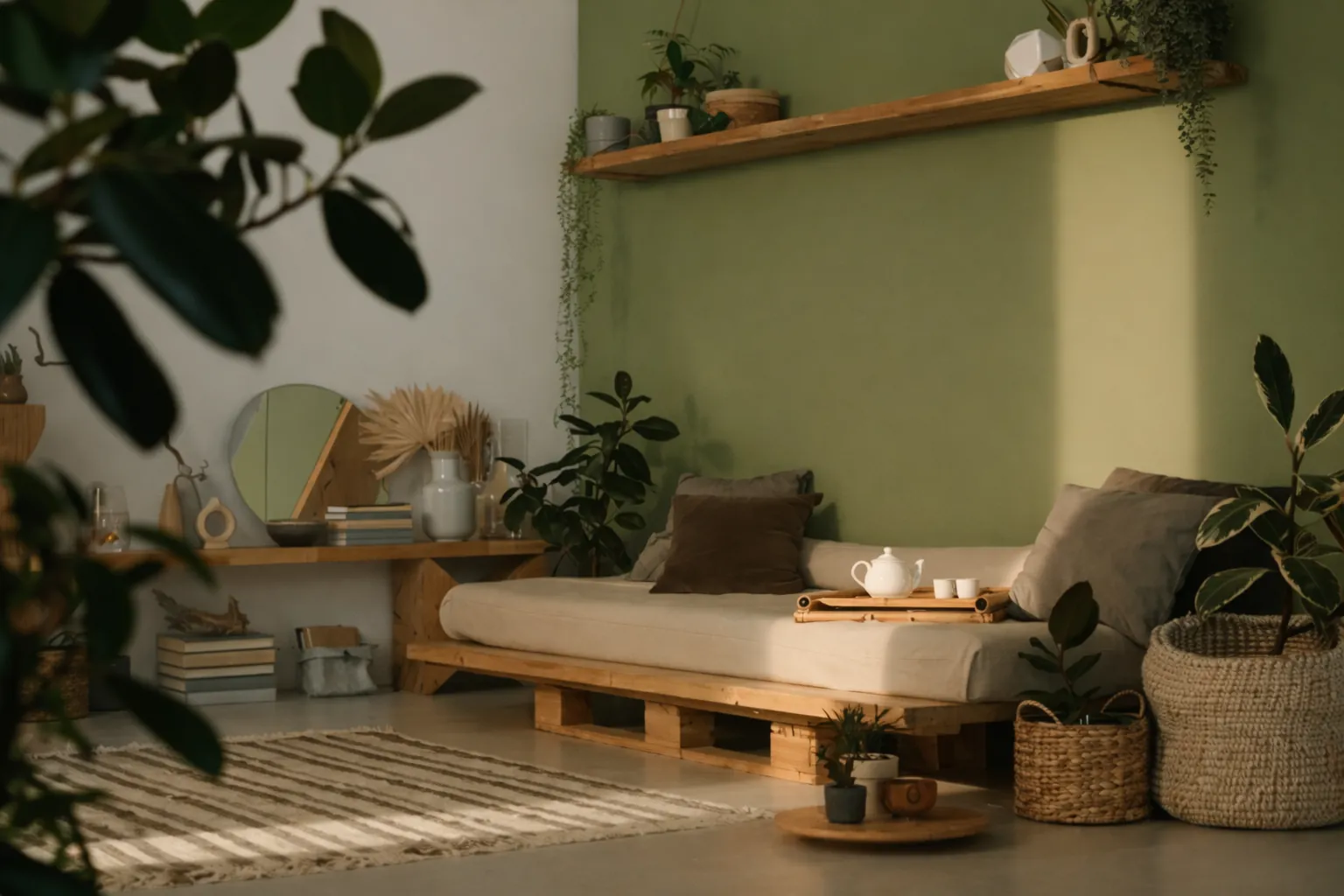
One misconception about minimalist interior design in India is that it must be all white. In reality, warm minimal interiors embrace earthy tones that look beautiful in India’s bright light while hiding dust.
For Indian homes, palettes like beige, cream, sage green, terracotta, or sand grey are practical. These soft neutrals support minimalism but feel natural. They also age better with daily cooking, humidity, and dust.
Layering hues in the same family creates richness without clutter, avoiding emptiness while staying practical.
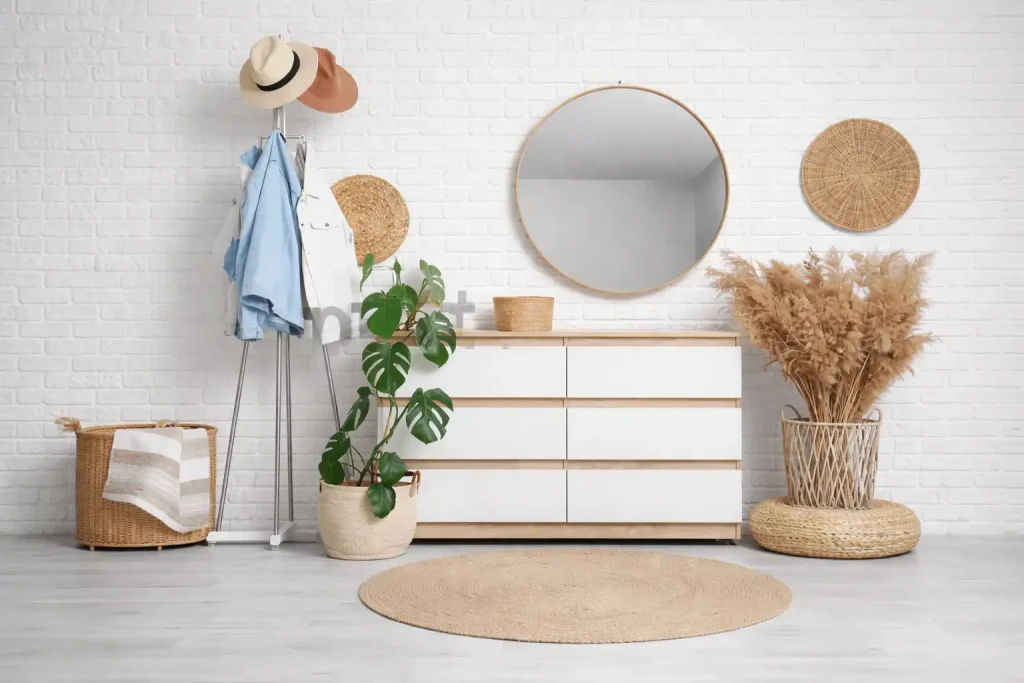
Minimalist interior design in India thrives on clarity, not sterility. Textures and natural materials that suit the Indian climate make spaces welcoming.
Incorporating tactile elements like wood, jute, linen, cane, and stone infuses warmth. These materials perform well in humidity and heat.
Warm wood finishes like teak bring an organic quality while being durable. Woven textiles like linen curtains add softness underfoot, comfortable for barefoot living. Handcrafted details like terracotta pottery provide practical storage while adding warmth.
Lighting plays a major role in how warm minimal interiors are perceived in Indian apartments.
Cold white lighting shows dust and feels sterile. Warm, layered lighting transforms the space.
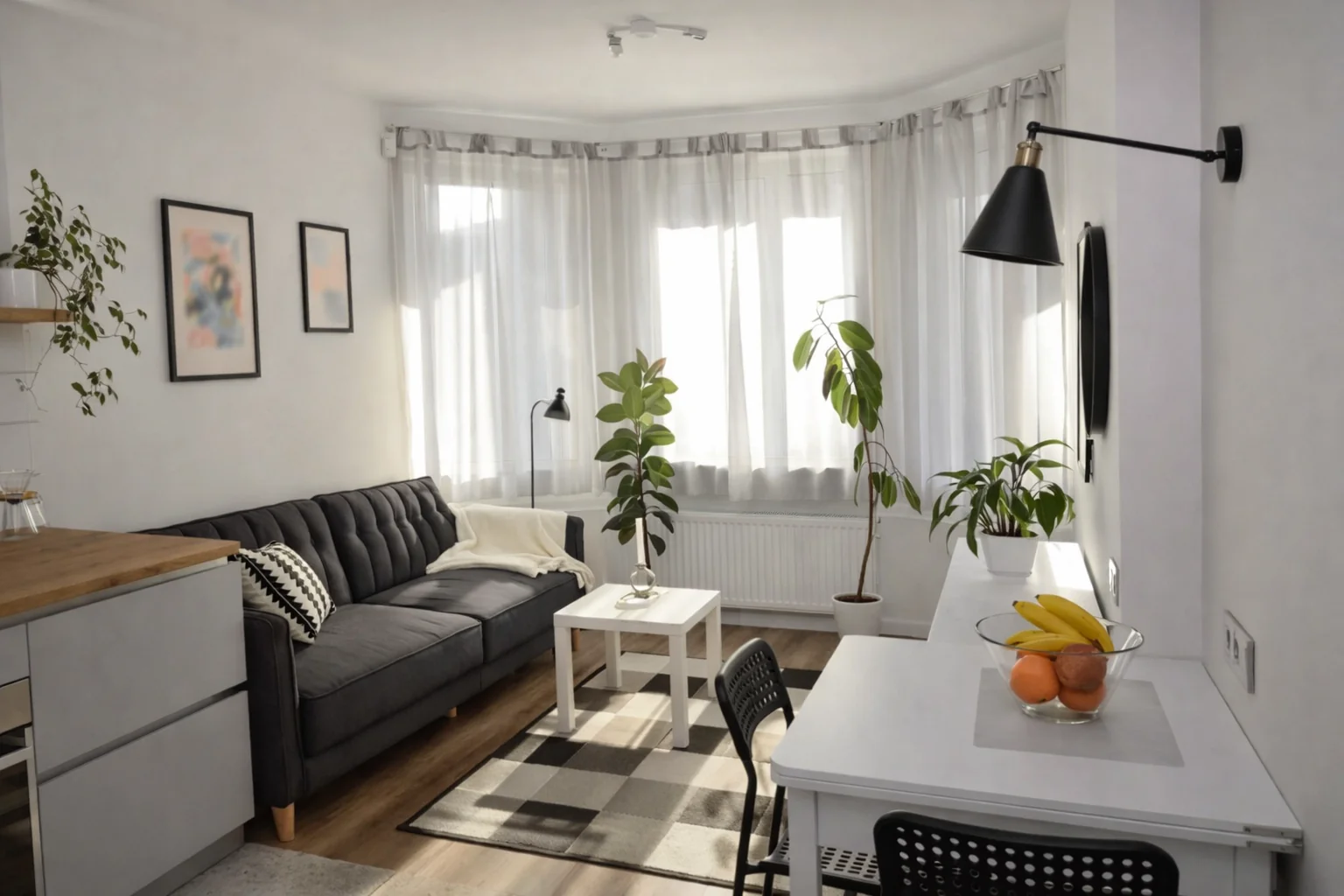
Warm ambient lighting (2700K-3000K) reduces glare during evenings. Accent lighting creates depth without taking up space. Sheer curtains diffuse harsh sun while maintaining privacy.
Natural light is abundant in most Indian homes, making simple spaces feel expansive. Where limited, warm artificial lighting enhances texture.
Minimalist interior design in India often gets a reputation for being empty because the focus is on fewer, not zero, décor pieces. But chosen objects can tell a story while serving practical purposes.
A single large artwork that defines a wall. A handcrafted ceramic piece placed with intention. A curated bookshelf. Indoor plants that thrive in Indian conditions, filtering dust without overwhelming.
These elements become focal points because they’re limited and thoughtfully placed. This makes Indian minimal homes feel intentional, expressive, without visual overload or maintenance burden.
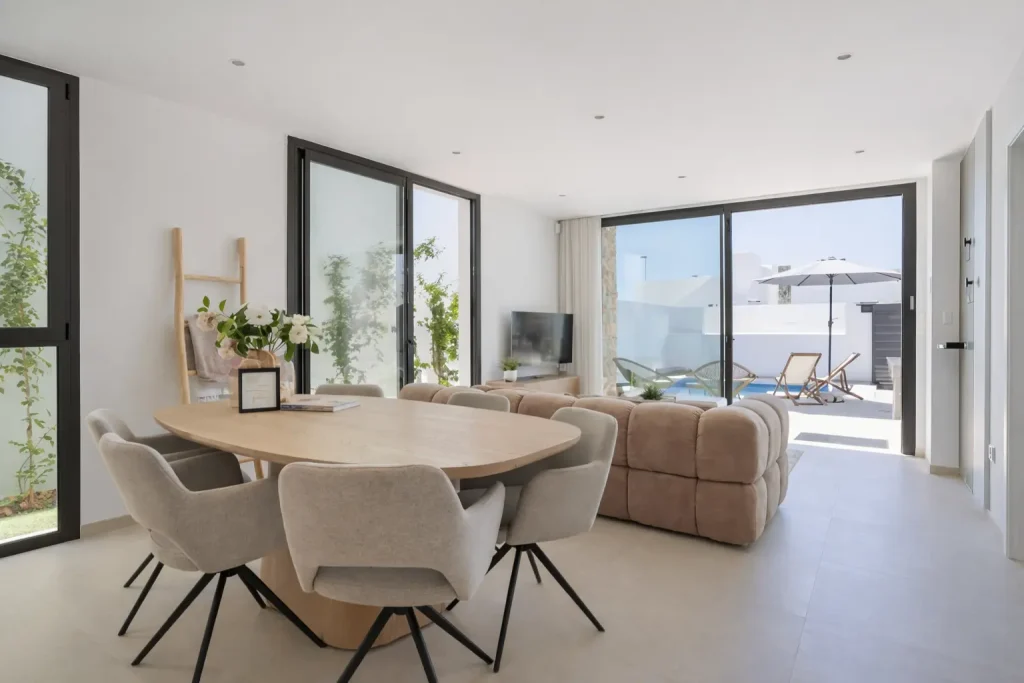
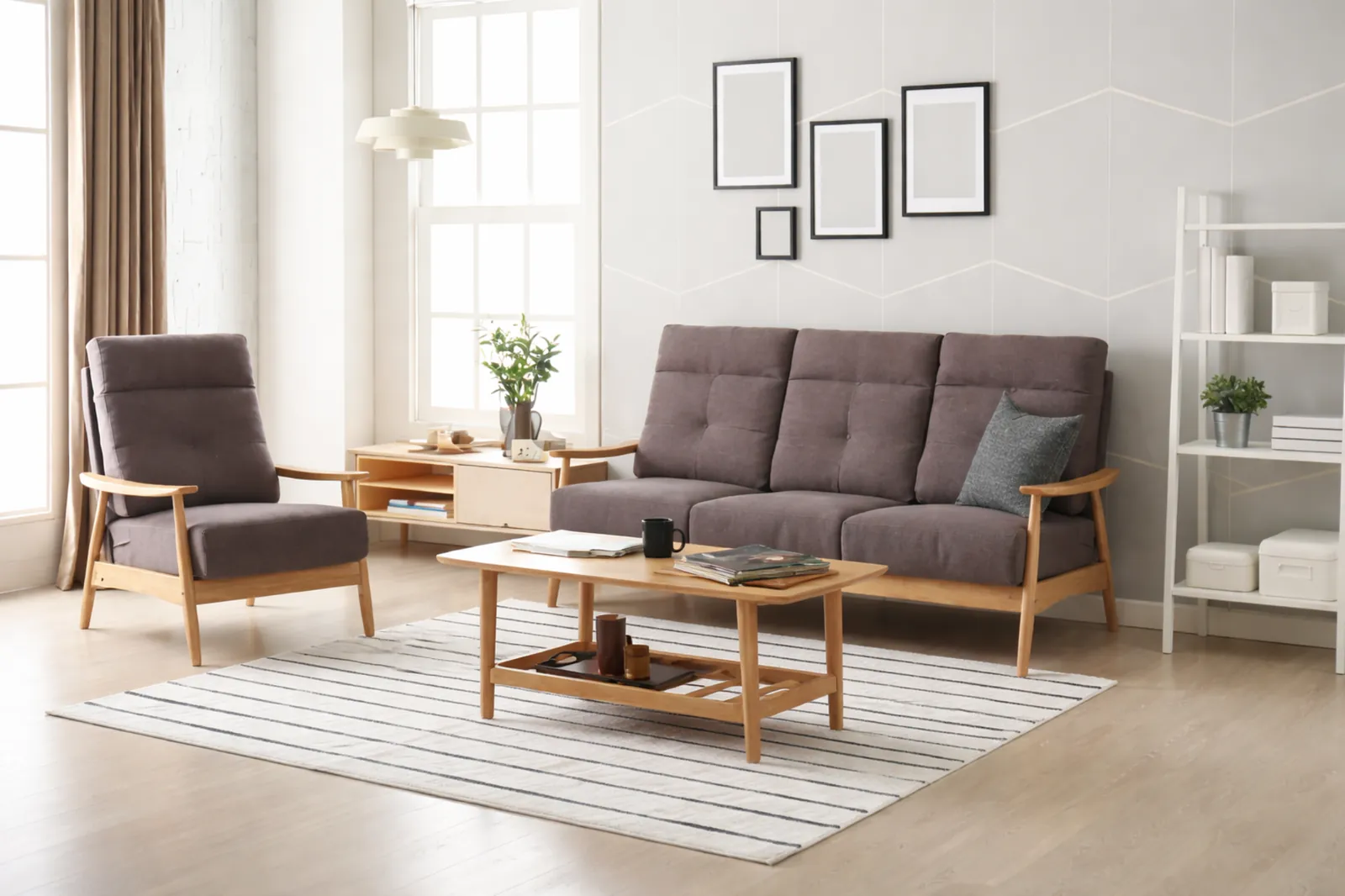
One reason minimalist interior design in India can feel cold is when furniture is too far apart, creating dead space. In Indian homes where families gather frequently, minimalism should celebrate positive space for movement and interaction.
Open floor plans help with flow in smaller Indian apartments. Even in compact 2BHK layouts, thoughtful placement of seating and rugs creates conversational zones that feel warm.
Blending adjacent zones, like living into dining, helps the space feel cohesive. Low partitions define areas without blocking sightlines or airflow, valuable in Indian homes where cross-ventilation matters.
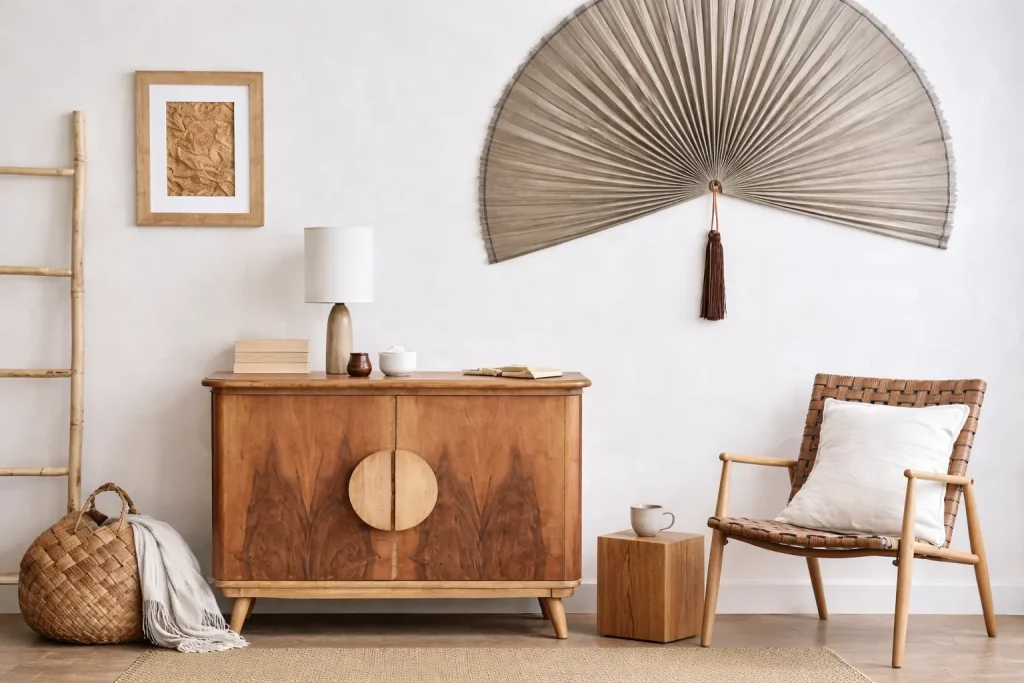
Minimalist interior design in India needn’t forsake cultural richness for the sake of modesty. The Japandi India style, which blends Japanese minimalism, Scandinavian warmth, and Indian craft, is gaining popularity because it feels both refined and rooted.
Indian minimal homes often integrate subtle traditional references: crafted pieces from local artisans, handwoven textiles, or thoughtful plants that reflect heritage without overwhelming.
Japandi feels at home in Indian spaces for reasons that go beyond its use of wood and other natural finishes. At its core, the style values thoughtful living, which aligns closely with how many Indian homes function. Comfort, airflow, barefoot living, and flexibility are all factors that matter in everyday life, especially for large Indian families.
Low-profile seating, floor gaddas or cushions, and solid wooden furniture are all traditional parts of Indian households that still keep the overall look simple and uncluttered. The emphasis is not on aesthetics, but on usefulness. Each object in the house needs to earn its place by being a practical addition that still feels warm and inviting.
Japandi also works well with India’s diverse weather conditions. Light, breathable fabrics and open layouts encourage better ventilation. Instead of layering decorative accents, this style allows a few meaningful pieces to stand out. For example, a khadi textile, a small brass diya, or perhaps a handmade clay vessel can all become alluring decorative pieces when your layout focuses on simplicity.
At Bonito Designs, minimalist interior design in India is about clarity with comfort, not emptiness. We ask what creates clutter in your routine, what storage you need, and which elements bring genuine comfort.
Our LifeDesign approach considers how Indian families live. Do you cook daily and need hidden storage? Does dust accumulate quickly, requiring easy-to-clean surfaces? Do you walk barefoot and need comfortable flooring?
With in-house execution and ISO-certified processes, we ensure warm, minimal interiors deliver on aesthetics and practicality. We select materials that age well in the Indian climate, design storage that keeps surfaces clear, and plan lighting that adapts from bright mornings to soft evenings.
This is what the Japandi India style looks like when built for real Indian living: spaces that are calm and uncluttered, but also warm, functional, and unmistakably yours.
Successfully implementing minimalist interior design in India doesn’t mean erasing personality from your home. When thoughtfully applied, minimalism highlights what’s important: functional living, meaningful objects, and uncluttered calm that suits how you live.
Real takeaways for Indian homes:
Limit items, but curate what stays based on your routine. Use textures and warm neutrals that hide dust and age gracefully. Plan lighting that adapts to India’s bright days and evenings. Let natural light and cross-ventilation create serenity. Add personalised accents that tell your story without creating a maintenance burden.
These principles ensure your Indian minimal homes feel like a sanctuary: warm, intentional, peaceful, and fully functional.
Ready to explore minimalism that doesn’t feel empty? Book a consultation with Bonito Designs. Let’s create a home that’s calm, comfortable, and unmistakably yours.